
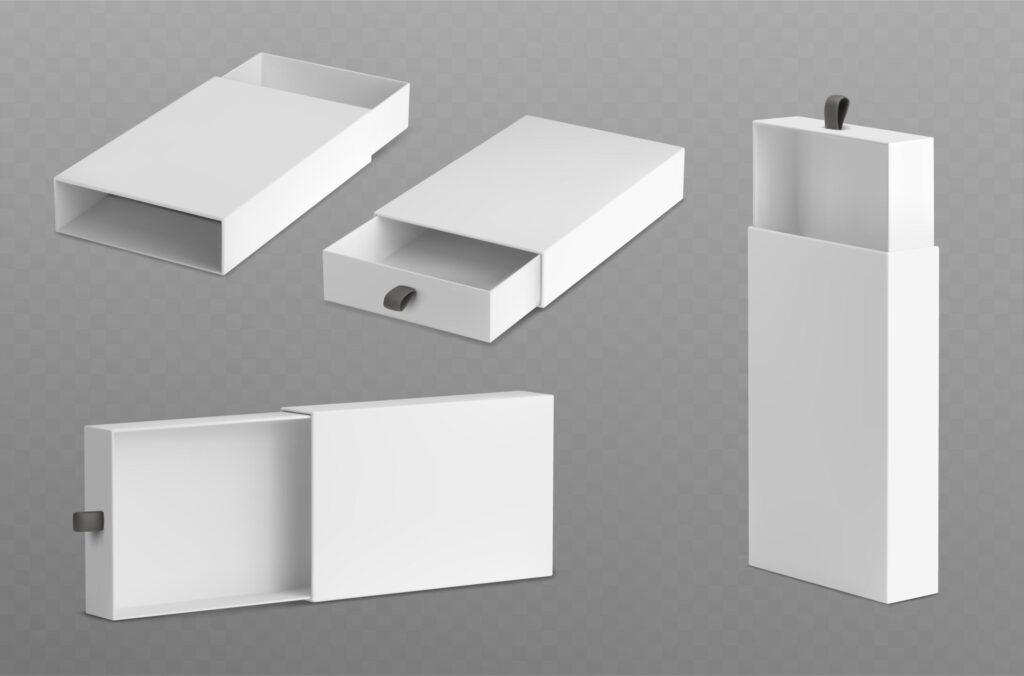
Packaging design in Malaysia is moving faster than ever. With more shoppers buying through Shopee, Lazada, TikTok Shop and direct-to-consumer websites, the packaging box is no longer just a protective shell. It has to catch attention on a screen, feel good in the hand, and represent your brand the moment a customer unboxes the product.
As we head into 2026, several clear directions are shaping how Malaysian brands approach their retail and e-commerce packaging. Below are six key trends that matter most.
1. Calm Luxury: Soft Neutrals and Minimalist Layouts
One of the strongest trends for 2026 is quiet, understated luxury.
Instead of very loud colours and crowded layouts, more brands are choosing:
Soft neutral tones such as beige, cream, taupe and muted pastels
Simple layouts with generous white space
Clean, modern typography with clear hierarchy
Malaysian shoppers increasingly associate this kind of design with safety, quality and “modern” brands—especially in skincare, beauty, wellness, coffee and lifestyle products.
A calmer colour palette doesn’t mean “boring”. When combined with good materials and a few well-placed design details, it gives your box a premium look without feeling over-designed.
2. Modern Malaysian Identity: Local Motifs with a Clean Look
Local flavour is still important, but it is showing up in a more contemporary way.
Instead of very traditional or heavy motifs, brands are now:
Simplifying batik or songket patterns into geometric shapes
Using stylised hibiscus, tropical leaves and local scenery as minimal line-art
Combining local patterns with neutral backgrounds and modern fonts
This approach keeps the packaging fresh and export-friendly, while still feeling recognisably Malaysian. It works especially well for artisanal F&B, gift boxes, lifestyle products and anything aimed at tourists or overseas buyers.
3. Digital-First Design: Boxes That Work as Thumbnails
Because so many first impressions happen online, packaging now needs to be designed for screens first.
2026 packaging boxes are increasingly:
Using strong contrast so the product stands out in small thumbnails
Making the product name large and readable at a glance
Using clear colour-coding so variants are easy to tell apart
Avoiding overly detailed graphics that become “muddy” when shrunk down
If a box only looks good in real life but disappears on Shopee or Lazada listings, it’s a missed opportunity. A digital-first mindset helps ensure your design works in both online and offline environments.
4. Smarter Colour Systems for Multiple SKUs
Many Malaysian brands now have long product ranges: multiple flavours, scents, skin concerns or tech variants. That’s pushing a shift toward structured colour systems.
Common examples include:
Skincare lines using one main layout but different colours for hydration, brightening, anti-aging or acne control
F&B brands assigning a strong colour to each flavour
Home care or lifestyle products using tones to separate “fresh”, “warm”, “relaxing” or “energising” lines
A well-planned colour system makes life easier for shoppers. They can recognise their favourite variant instantly, whether on the shelf or in a product listing, and it keeps the whole range looking organised and professional.
5. Texture, Foil and Spot UV Used in a More Subtle Way
Special finishes are still popular, but they’re being used more carefully than before.
Instead of covering large areas with foil or gloss, brands are:
Adding soft-touch lamination for a velvety feel
Using light embossed textures or micro-patterns for tactile interest
Applying foil only on the logo, key lines or small icons
Using spot UV to highlight specific small areas instead of whole panels
This controlled use of finishing helps a box feel premium without looking too flashy or driving up costs unnecessarily. It’s effective for beauty, fragrance, premium snacks, gifts and other higher-value products.
6. Eco-Luxe and Unboxing Moments: Sustainable and Shareable
Sustainability is no longer just a buzzword. More Malaysian consumers are paying attention to whether brands use excessive plastic or obviously wasteful packaging.
At the same time, unboxing moments continue to be shared on social media.
In 2026, this is leading to:
Recycled or FSC-certified boards combined with clean, modern layouts
Kraft or natural textures used with simple, strong typography
Internal printing, short messages or QR codes inside the box
Inserts designed to present products neatly for photos and videos
The result is “eco-luxe” packaging: it looks premium, feels intentional, and doesn’t feel like it’s wasting material for no reason. It also gives customers something nice to show when they share their purchase online.
Working with a Packaging Printer to Apply These Trends
All of these trends only work if they can be produced realistically. When planning packaging for 2026, it helps to:
Share your brand mood, examples and colour direction with your printer
Discuss whether your products are mainly for retail shelves, shipping, or both
Ask for material and finishing samples so you can feel the difference
Request print proofs to check colour, readability and overall impact
A good packaging printer can suggest the right combination of board, lamination, finishing and print method so your design looks the way it should, within your budget.
Conclusion: Staying Relevant in 2026 with Smart Packaging Design
For Malaysian retail and e-commerce brands, packaging boxes in 2026 are about more than design trends. They are about clarity, personality, practicality and feeling current.
By focusing on calm luxury, a modern local identity, digital-first layouts, structured colour systems, smarter use of finishes and eco-conscious unboxing experiences, brands can create packaging that stands out on shelves, on screens and in customers’ hands.
Get a Free Quote & Same-Day Estimate
Unsure if UV will stick? Send a small sample—we’ll test adhesion, finish, and colour before you commit.
FAQs
Calm neutral palettes, modern local motifs, digital-first layouts, structured colour systems, subtle finishing and eco-conscious, unboxing-friendly designs.
Beauty, lifestyle, FMCG, artisanal foods, wellness and e-commerce-first brands all benefit from updated, modern packaging.
Many customers first see your product as a small thumbnail online. Clear names, strong contrast and simple graphics make it easier to spot and recognise.
Soft-touch lamination, light texture embossing, minimal foil accents and selective spot UV are favoured for a premium but not overdone look.
Yes. Using quality recycled boards, kraft textures, modern layouts and clean typography can create packaging that feels both sustainable and high-end.
