
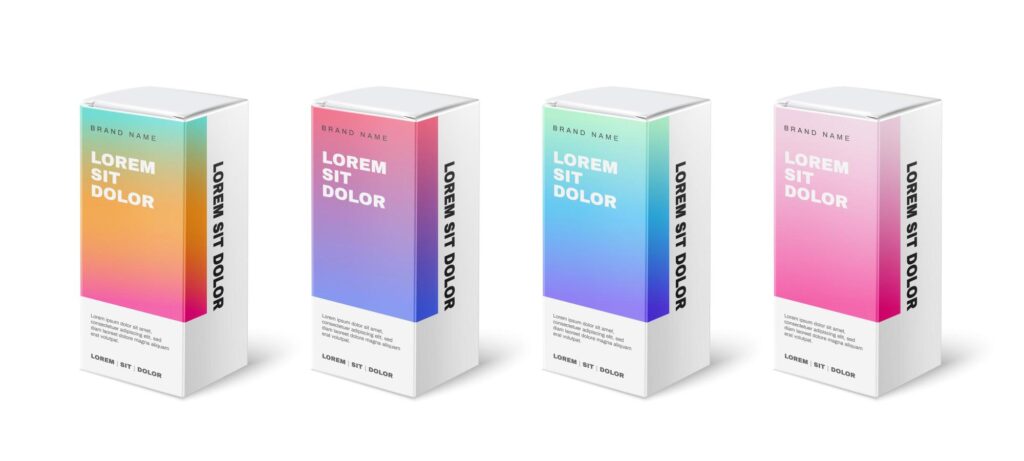
Walk into any pharmacy or beauty store in Malaysia and you’ll see shelves packed with serums, toners, creams and masks that all promise better skin. Most shoppers don’t have time to study every ingredient list. They make a decision in a few seconds, based largely on what they see on the box.
For skincare and beauty brands, especially new or growing ones, packaging box printing isn’t just a cosmetic decision. The carton has to sell the product, communicate key benefits, reflect your brand’s positioning, comply with Malaysian cosmetic guidelines, stand up to a hot and humid climate, and still look good in photos and videos online. This article walks through the essentials you should consider before you brief your designer or packaging printer.
Why Packaging Matters So Much for Skincare in Malaysia
The beauty market in Malaysia is competitive and visual. Customers are influenced by K-beauty and J-beauty trends, social media reviews, in-store displays and e-commerce listings. In that environment, your packaging needs to work much harder than simply “looking nice”.
A well-printed box does three important things:
Signals safety and credibility.
Skincare and cosmetics go directly onto the face or body. If your box looks cheap, poorly printed or inconsistent, customers may assume the product inside is the same. Clean printing, consistent colours, readable text and a professional layout all contribute to trust.Matches your intended price point.
A premium formula in a flimsy box sends mixed signals. On the other hand, thoughtful packaging with the right materials and finishes can help a mid-range product feel more valuable, making your pricing easier to justify.Supports your brand story and unboxing experience.
For online brands, the box is often the first physical touchpoint with the customer. A distinctive carton, a subtle foil logo or a textured finish turns unboxing into a moment worth sharing on social media, which multiplies your marketing reach.
Understanding the Basic Labelling Requirements
Before you think about colours and finishes, it’s important to understand the “must-have” information that needs to appear on cosmetic packaging in Malaysia.
Cosmetics are regulated locally, and outer packaging is expected to show key details such as product name and function, directions for use, a complete ingredient list, country of manufacture, company or distributor details, batch number and expiry-related information, along with any relevant precautions. In practice, that means your carton must reserve enough space for real text, not just design elements.
It’s also important to be careful with claims. Skincare packaging should focus on cosmetic benefits (hydrating, brightening the look of skin, improving skin feel, etc.) and avoid wording that sounds like a medical treatment or guaranteed cure. Over-claiming can create regulatory issues and also damage consumer trust, especially as Malaysian customers become more ingredient-savvy.
A good approach is to align your copy early. Before final artwork, prepare a text document that includes all mandatory information, any bilingual content you plan to use, and the key marketing messages. This lets your designer and printer plan the layout properly, instead of trying to “squeeze in” a long ingredient list at the last minute.
Choosing the Right Box Structure
Once you know what needs to go on the box, the next question is: what kind of box are you actually printing? The structure affects cost, protection and how your brand feels in the hand.
For individual products like serums, cleansers and moisturisers, most brands rely on folding cartons made from art card. These are the classic rectangular boxes seen in pharmacies and beauty stores. The board can be thick enough to feel sturdy, while still allowing efficient storage and transport. For most standard skincare lines, this is the most practical and economical choice.
For premium collections and gift sets, many brands move up to rigid boxes. These are the “hard” boxes that don’t flatten, sometimes with magnetic closures or ribbon pulls. They immediately feel more luxurious and are ideal for higher price points or festive gift sets. The trade-off is higher production cost and more storage space needed.
If your brand sells primarily online, you also need to consider shipping boxes, such as printed e-flute mailers. Even if your product already has a primary carton, the outer mailer protects it during courier handling and offers another touchpoint for branding and messages. For customers in both West and East Malaysia, a strong mailer box can make the difference between a premium unboxing experience and a crushed parcel.
The best strategy usually layers these elements: a primary box that carries the design and information, supported by an outer mailer or shipper that reflects the same brand identity.
Materials and Finishes That Suit Malaysia’s Climate
Malaysia’s weather is consistently hot and humid, and products may spend time in non–air-conditioned storage or delivery vehicles. Materials and finishes need to cope with this reality.
Art card remains the workhorse material for skincare cartons because it balances price, rigidity and print quality. For brands that want a more glamorous or metallic look, there are metallic or metalized boards which create reflective effects, but these require careful design so the text stays legible.
Lamination is another key decision. Matte lamination gives a soft, modern feel and reduces glare, which is why it’s popular for “clean” or “clinical” skincare brands. Gloss lamination boosts colour vibrancy and can be suitable for lively, colourful ranges. Soft-touch lamination adds a velvety, luxurious feel that customers notice when they hold the box.
On top of that, skincare and beauty brands often use special finishes such as hot stamping (for metallic logos or lines), spot UV (to highlight certain areas with a glossy layer) and embossing or debossing (to create raised or pressed textures). These touches make the box feel more premium without redesigning the whole structure.
Because of the climate, it’s wise to test printed samples in realistic conditions—warehouse shelves, retail environments and even a hot car—to check whether laminations stay smooth, colours remain strong and boxes retain their shape.
Working Effectively with a Packaging Printer
The best results come from a genuine partnership between your brand and your printer. Instead of simply sending a dimension and asking for a price, share context: who your target customers are, where you plan to sell (retail, online, export), what quantities you expect, and what kind of brand image you want.
A printer with real experience in skincare and beauty packaging can suggest suitable materials, thickness, finishes and printing methods that match both your budget and your positioning. They can also highlight practical issues such as small font sizes, colour legibility on certain backgrounds, or limitations of specific finishes.
Always request proofs before confirming full production. A printed proof or well-calibrated digital proof lets you check colours, sharpness, readability and the look of special finishes. For ranges with multiple products, review them together to ensure the series feels consistent.
Finally, plan your timeline realistically. Besides the production itself, you should allow time for artwork refinement, proof checking and any last compliance or regulatory review before you give the final green light.
Conclusion: Packaging as a Strategic Investment
For skincare and beauty brands in Malaysia, packaging box printing sits at the intersection of product safety, branding and customer experience. A successful carton:
Meets basic labelling expectations so you can sell with confidence
Reflects your intended price point and brand personality
Survives Malaysia’s climate and logistics
Tells a clear, honest story to customers in just a few seconds
When you see packaging as a strategic investment rather than just a cost, you give your products a much better chance of standing out—on the shelf, in an online listing and in the hands of your customers.
Get a Free Quote & Same-Day Estimate
Unsure if UV will stick? Send a small sample—we’ll test adhesion, finish, and colour before you commit.
FAQs
It depends on the material and print method, but many printers can start from a few hundred pieces for digital, and higher MOQs for offset.
After artwork is confirmed, most jobs take roughly 7–21 working days, depending on quantity and finishes.
Printers usually don’t handle approvals; the brand is responsible for making sure the text and claims follow cosmetic guidelines.
Yes, you can keep a consistent layout and change colours or details for each variant so the range looks unified but still easy to tell apart.
